

When Harm Is Minimized: Rethinking Hazing, Sexual Assault, and Military Culture
Sexual assault in the military is often discussed as a women’s issue. Yet research consistently shows that men experience sexual assault in the military at rates comparable to women. Despite this, male survivors frequently struggle to name their experiences as assault at all. Instead, many interpret what happened to them as hazing, initiation, or simply “part of the culture.”
Dr. Catherine T. Revak’s doctoral research examines this disconnect and asks a critical question:
Why do men who experience sexual violence in the military often understand these experiences as hazing rather than sexual assault?
Using a social construction framework, her work explores how language, power, gender norms, and military discourse shape the way harm is understood — and misunderstood. In environments where masculinity is tightly linked to strength, endurance, and dominance, acknowledging victimization can feel incompatible with identity. When assault is framed as hazing, the harm is minimized, normalized, and often silenced.
This research highlights the role of hegemonic masculinity and patriarchy in preventing recognition and reporting of male sexual assault. When cultural narratives prioritize toughness and obedience over vulnerability and consent, survivors may lack the language — and safety — to name their experience accurately. As a result, access to care, reporting options, and institutional support are significantly reduced.
Dr. Revak’s findings contribute to a growing body of literature calling for new clinical and institutional frameworks. These frameworks aim to improve how clinicians, organizations, and military systems respond to male survivors — not by forcing experiences into existing narratives, but by listening more closely to how survivors themselves make meaning of what occurred.
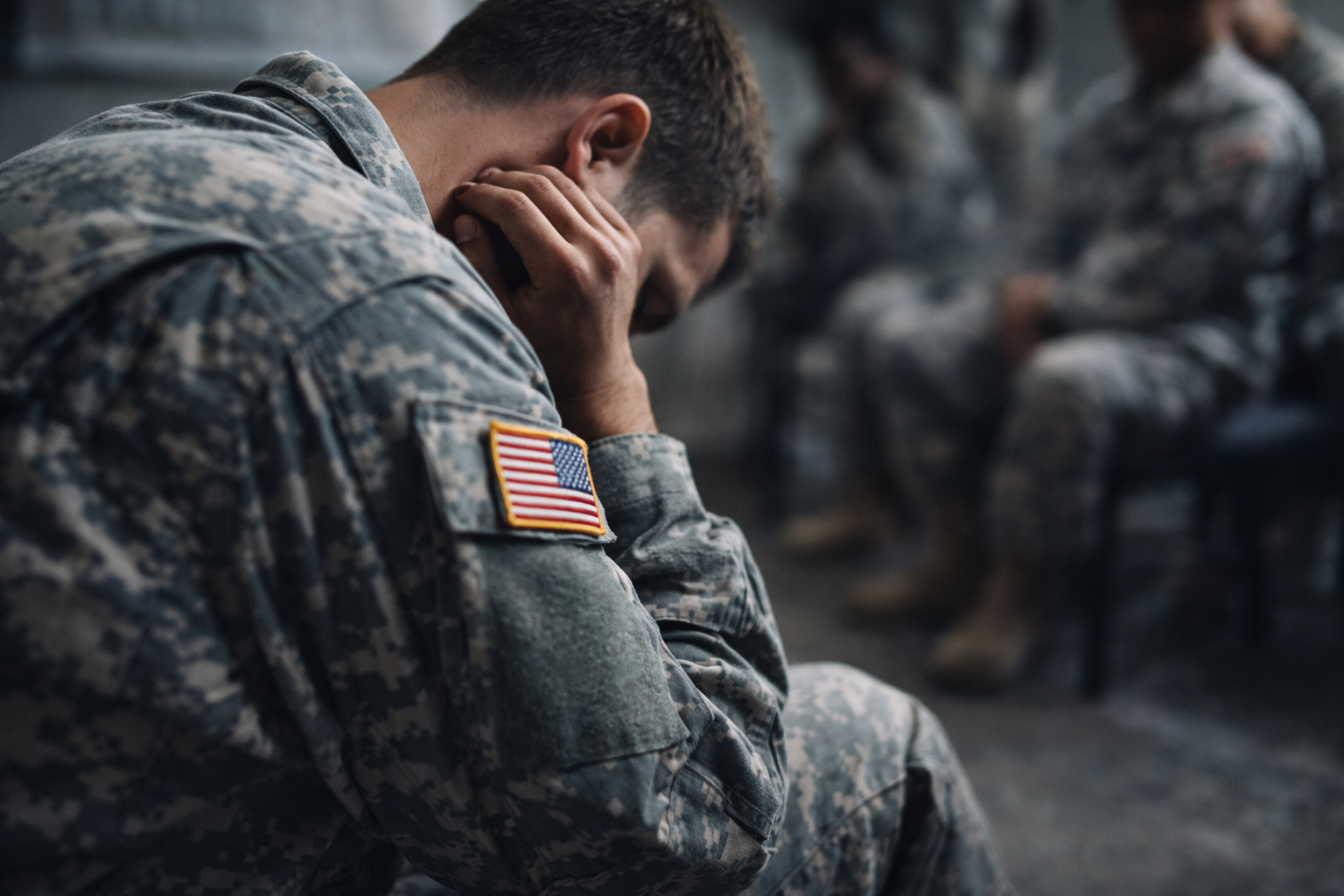
At its core, this work is about visibility and care. It challenges us to reconsider how we define harm, how we talk about trauma, and how power and culture shape what feels “sayable.” Most importantly, it underscores that misnaming trauma does not make it less real — it only makes healing harder.
Dr. Revak’s research continues to inform her clinical work, speaking engagements, and advocacy, to expand understanding, increase access to care, and develop more compassionate, trauma-informed responses for all survivors.
