


Paying for Therapy: Understanding Insurance, Sliding Scales, and Your Options
Paying for therapy can feel overwhelming, but it does not have to be a shame-filled mystery. This post explains insurance, private pay, sliding scale fees, superbills, and how to talk with your therapist about payment options.
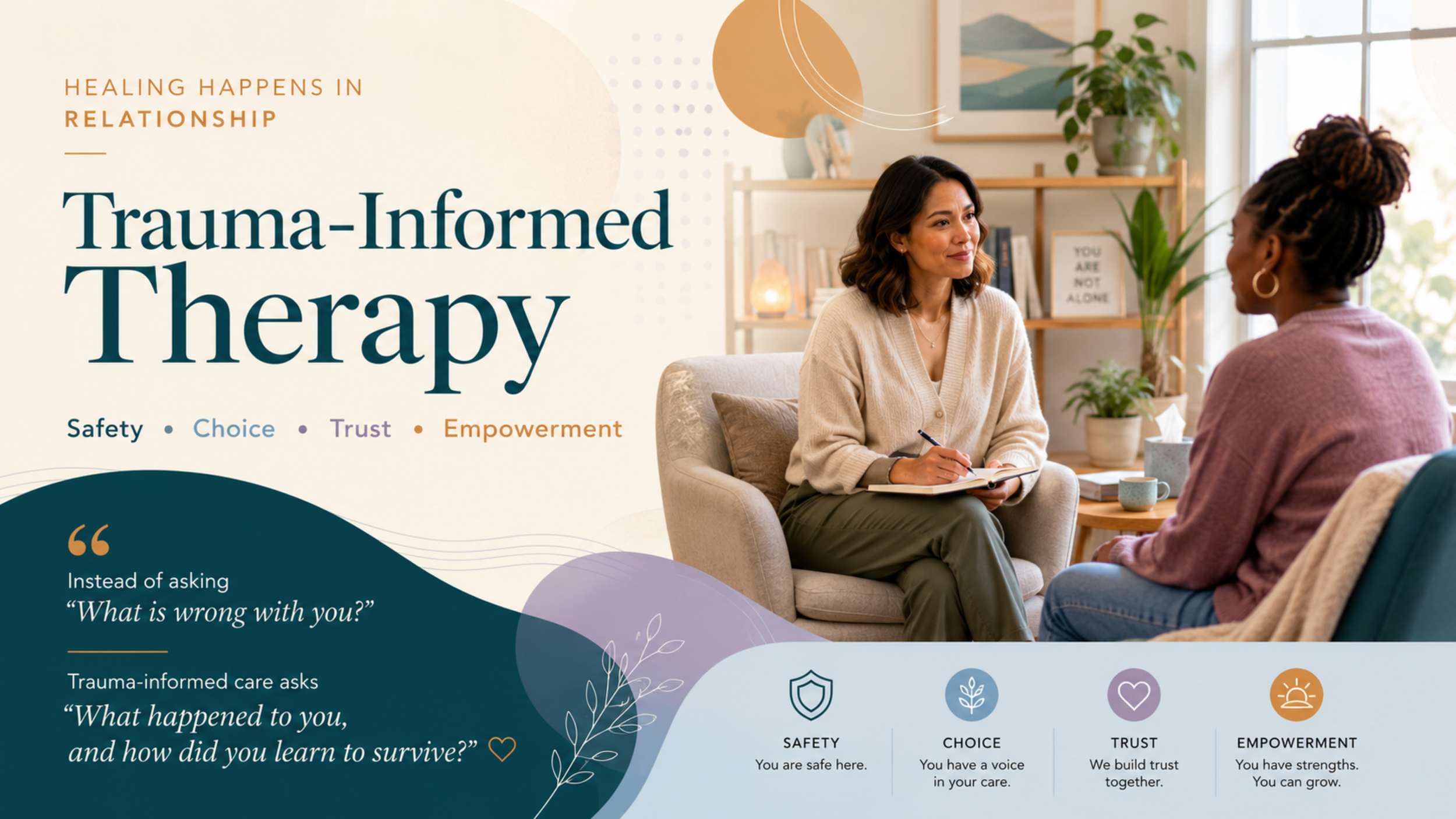
The Rise of Trauma-Informed Therapy: What It Means and Why It Matters
Trauma-informed therapy looks beyond symptoms and asks a more compassionate question: “What happened to you, and how did you learn to survive?” This approach centers safety, trust, choice, and empowerment, helping clients understand their responses with greater compassion and build a sense of healing, agency, and connection.

When Living Authentically Means Losing Belonging
Coming out can be a powerful step toward living more honestly. For many LGBTQIA+ people, it brings relief, clarity, pride, and a deeper sense of self. It can also bring something people do not always expect: grief.
This kind of loss can be deeply painful because it often goes unrecognized. People may say, “At least you’re being yourself now,” or “You’re better off without them,” and both may be partly true. But neither statement erases the hurt of losing belonging.
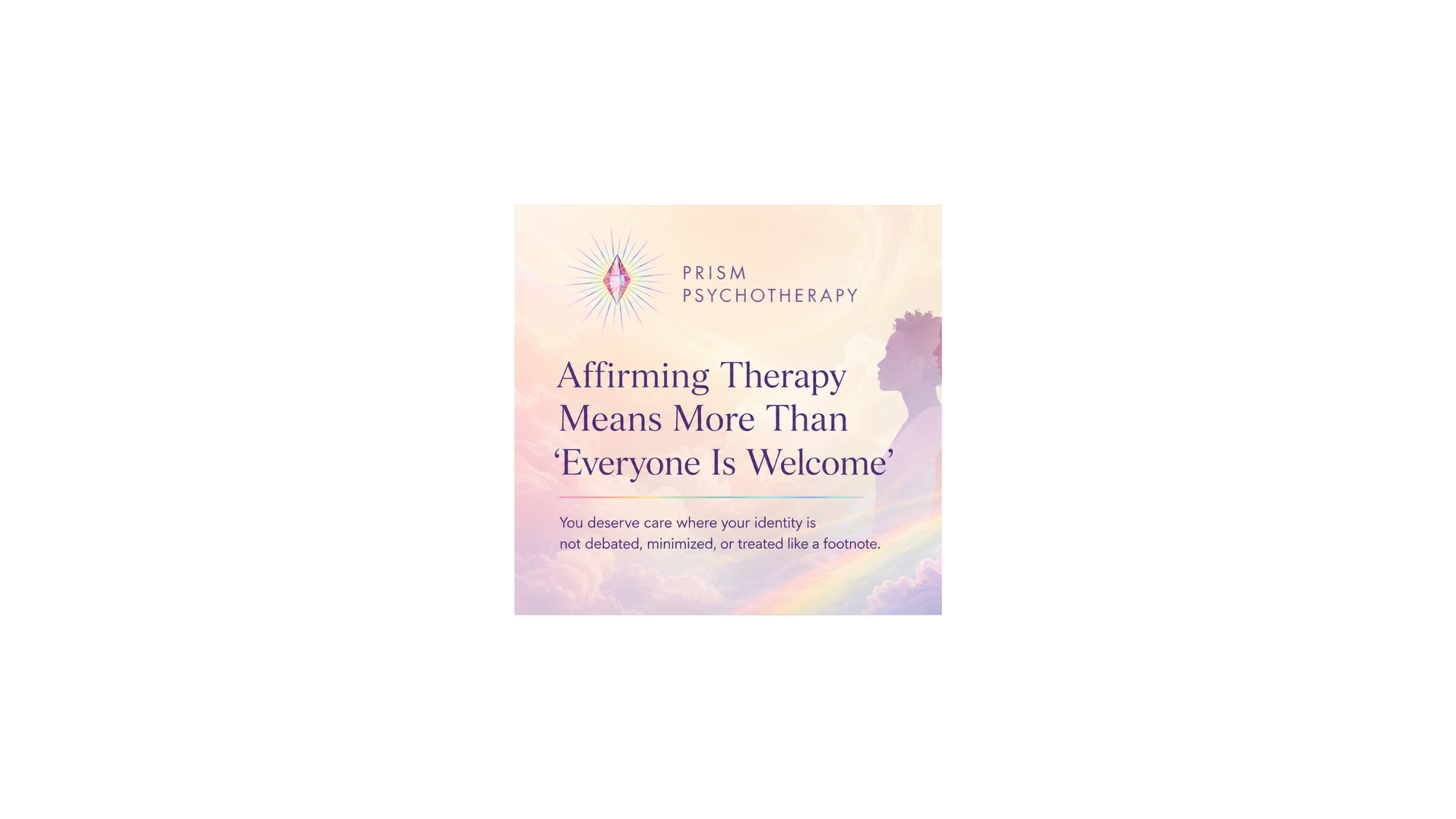
LGBTQIA+ Affirming Therapy: Moving Beyond “Everyone Is Welcome”
LGBTQIA+ clients deserve therapy where they do not have to educate their therapist, defend their identity, or have their experiences minimized. Good affirming therapy should feel emotionally safe, clinically competent, culturally aware, trauma-informed, and fully human — a space where clients can exhale and be seen as their whole selves.

How the Holidays Can Affect Grief, Trauma, and Mental Health
The holidays can amplify grief, trauma, and mental health challenges, even years after a loss or difficult experience. This post explores why the season can feel emotionally heavy and offers compassionate insight into navigating the holidays with care, boundaries, and support.

When Harm Is Minimized: Rethinking Hazing, Sexual Assault, and Military Culture
Male survivors of sexual assault in the military often struggle to name their experiences as assault, instead interpreting them as hazing or “part of the culture.” This post explores how language, power, and social constructions of masculinity shape that understanding—and why reframing these narratives is essential for healing, reporting, and meaningful access to care.

Meet Dr. Cate Revak: The Heart Behind Prism Psychotherapy
At Prism Psychotherapy, Dr. Catherine “Cate” Revak offers virtual, trauma-informed therapy for adults navigating grief, sexual assault, military and hazing experiences, identity shifts, and major life transitions. Blending research, real-world experience, and deep compassion, she helps people untangle painful stories and build lives that feel more grounded, authentic, and their own.

Grief is Not Linear
Grief doesn’t follow a timeline, and it rarely moves in a straight line. It can arrive in waves—sometimes quiet, sometimes overwhelming—and often in ways we don’t expect. This reflection explores what it means to navigate grief with compassion, honoring loss while learning how to carry it forward rather than rush through it.

Continuing Bonds: Why Staying Connected After Loss Can Be Healthy
Grief does not always mean letting go. Continuing bonds offer a compassionate way to stay connected after loss through memories, rituals, meaningful objects, shared values, and love that changes shape over time. Learn how grief therapy can help you honor what mattered while finding a healthy way forward.

AI, Mental Health Apps, and Therapy: Helpful Tool or Emotional Fast Food?
Mental health apps and AI tools are becoming more common. Some people use them for journaling, mood tracking, meditation, reminders, or support between therapy sessions. Used thoughtfully, these tools can be helpful.

Why Modern Grief Therapy Moves Beyond “The Five Stages”
Many people arrive in grief therapy wondering if they are “doing grief wrong.” They may ask why they still feel angry months later, why they feel fine one day and devastated the next, or why a familiar song can suddenly knock the wind out of them.